A Complete Guide to Cross-Border Customs Clearance: Understanding International Procedures and Compliance Essentials

Hansol International
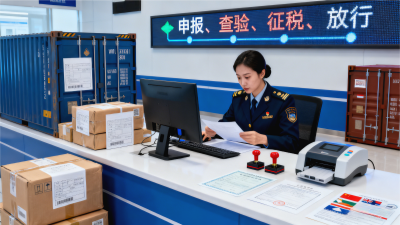
I. Why Is Customs Clearance a Critical Bottleneck in Cross-Border Trade?
Within the global trade cycle, customs clearance is one of the stages most prone to delays, cargo detention, and unexpected costs.
Over 42% of international trade delays stem from:
-
Incorrect documentation
-
Unclear product classification
-
Insufficient product certifications
-
Non-compliant country of origin
-
Incorrect duty and tax calculations
For cross-border businesses, mastery of customs clearance = shorter lead times + reduced risk + higher customer satisfaction.
II. The Complete Customs Clearance Process (Applicable to Most Countries)
1. Inspection and Documentation Preparation
Required documents include:
-
Commercial Invoice
-
Packing List
-
Bill of Lading (B/L)
-
Certificate of Origin (CO)
-
Product compliance certificates (e.g., CE, FDA, MSDS)
-
Tax ID and HS Code
2. Declaration and Pre-Review
Both exporting and importing countries conduct reviews, which may involve:
-
Product classification (HS Code)
-
Duty rate calculation
-
Risk level assessment
-
Trade compliance verification
3. Customs Inspection
Common reasons for inspection include:
-
Discrepancy between declared value and actual transaction price
-
Random sampling
-
Sensitive nature of the goods
-
Non-compliant certifications or labeling
4. Payment of Duties and VAT
Tariff rates vary significantly by country:
-
United States: Based on HTS
-
European Union: Import duties + VAT
-
Middle East: Typically 5% VAT
-
Asia: Varies by country (Southeast Asia is particularly complex)
5. Release and Cargo Pickup
Once cleared by the system, goods can be picked up, transshipped, or delivered to an overseas warehouse.
III. How to Reduce Customs Clearance Risks?
1. Use the Correct HS Code
Incorrect classification can result in:
-
Heavy fines
-
Overpayment of duties
-
Cargo detention or return shipment
2. Prepare Product Certifications in Advance
Examples include:
-
Electronics: CE, FCC
-
Medical devices: FDA, ISO
-
Chemicals: MSDS
-
Food products: Health/Sanitary Certificate
3. Partner with Professional Trade and Customs Brokers
The optimal approach for international trade is:
Exporters handle compliance, freight forwarders manage logistics, and customs brokers manage local declarations.
Hansol International integrates all three into a one-stop solution.
4. Avoid Undervaluing Shipments
Undervaluation = High Risk
Customs systems can now automatically flag abnormal pricing.
5. Build a Multi-Country Compliance Database
Digital systems can:
-
Automatically generate customs declarations
-
Provide applicable duty rates per product
-
Alert users to compliance requirements
-
Prevent human errors
IV. How Does Hansol International Support Customs Clearance?
We offer:
-
Multi-country customs clearance services (USA / Europe / Middle East / Southeast Asia)
-
Compliance document review
-
End-to-end export documentation preparation
-
Product certification and testing support
-
HS code and tariff consultation
-
Customs issue resolution (cargo holds, duty reassessments, re-inspections)
Our goal: Make customs clearance “controllable” instead of “complicated.”